

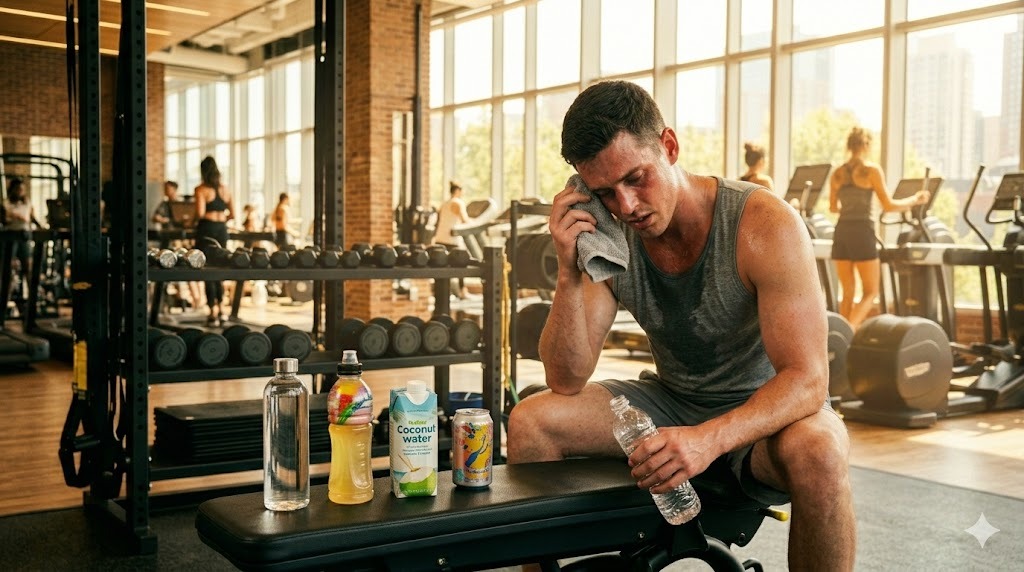
Summer workout hydration mistakes are one of the biggest reasons people feel unusually tired, dizzy, weak, or exhausted during hot weather workouts. Many people blame the heat alone, but in reality, poor hydration habits silently affect workout performance, recovery, energy levels, and even overall health.
During summer, your body loses a large amount of water and essential minerals through sweat. If those fluids and electrolytes are not replaced properly, your body starts struggling much faster than usual. This is why some people experience headaches, muscle cramps, dry mouth, low stamina, or sudden fatigue even during normal workouts or daily activities.
The problem is that most people don’t realize they are hydrating incorrectly.
Some drink water only after feeling thirsty. Some depend only on plain water after heavy sweating. Others ignore electrolytes completely, consume dehydrating drinks unknowingly, or fail to hydrate at the right time. These small mistakes may look harmless, but during summer they can seriously impact how your body feels and performs.
Proper hydration is not only about drinking more water. It is also about understanding what to drink, when to drink, what to avoid, and how to help your body recover better in extreme heat.
In this blog, we’ll cover the biggest summer workout hydration mistakes, warning signs of dehydration, smart hydration tips, the importance of electrolytes, and the best ways to stay energized and healthy throughout summer.
1. Why Summer Workout Hydration Mistakes Feel More Serious in Hot Weather
Summer workouts can feel surprisingly exhausting, even for people who exercise regularly. A workout that normally feels manageable during cooler months may suddenly feel heavier, more tiring, and less comfortable in hot weather. In many cases, the real reason is not just the workout itself — it’s the way heat affects hydration inside the body.
When temperatures rise, the body naturally sweats more to cool itself down. Sweating is important because it helps regulate body temperature, but it also causes the body to lose large amounts of fluids and essential minerals much faster than usual. If this loss is not replaced properly, the body starts struggling to maintain energy, stamina, and performance.
1.1 Heat and Sweat Loss During Workouts
During summer, even light physical activity can cause excessive sweating. Intense workouts, outdoor activities, running, cardio sessions, or long gym workouts can increase fluid loss very quickly. Along with water, the body also loses electrolytes like sodium, potassium, and magnesium through sweat.
Many people focus only on drinking water without realizing that electrolyte loss also plays a major role in how the body feels. When fluid and mineral levels drop too much, the body may struggle to regulate temperature properly, which can lead to dehydration symptoms much faster in hot weather.
This is why summer workout hydration mistakes often feel more serious than usual. The body is already working harder to stay cool, and poor hydration habits increase the stress even more.
1.2 Why Energy Drops Faster in Summer
Have you ever noticed that workouts feel more exhausting during summer even when you’re doing the same exercises?
One major reason is that dehydration directly affects energy levels. When the body loses too much fluid, blood circulation becomes less efficient, the heart works harder, and muscles receive less oxygen support. As a result, people may feel tired much earlier than expected.
Even mild dehydration can silently reduce:
- stamina,
- focus,
- endurance,
- workout intensity,
- and overall physical performance.
This is why some people suddenly feel weak, lazy, or drained during summer workouts without understanding the actual reason.
1.3 How Dehydration Affects Performance
Dehydration does much more than simply create thirst. It can affect almost every part of workout performance and recovery.
Poor hydration may lead to:
- dizziness,
- headaches,
- muscle cramps,
- slower recovery,
- low concentration,
- overheating,
- and extreme fatigue.
In severe cases, dehydration can even increase the risk of heat exhaustion during hot weather workouts.
The problem is that many people recognize dehydration only after symptoms become obvious. By that point, workout performance and recovery are already affected.
Understanding how heat, sweat loss, and dehydration impact the body is the first step toward avoiding summer workout hydration mistakes and staying healthier, more energized, and safer throughout the season.
2. The Biggest Summer Workout Hydration Mistakes Most People Make
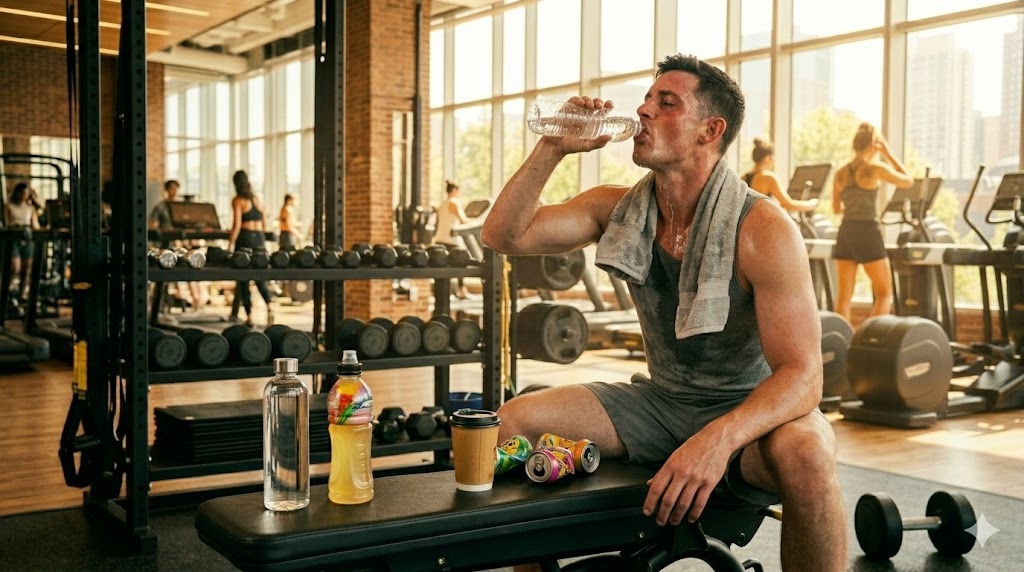
Summer dehydration usually doesn’t happen suddenly.
It starts quietly.
A little extra sweating.
A little less energy.
A slight headache.
Dry lips.
Muscle fatigue.
That strange feeling where even a normal workout suddenly feels harder than usual.
Most people think:
“Maybe I’m just tired today.”
But many times, the real problem is poor hydration habits hiding in the background.
The surprising part?
Some of the most common summer workout hydration mistakes are things people do every single day without realizing the damage they create over time.
2.1 Drinking Water Only After Feeling Thirsty
This is probably the most common hydration mistake of all.
Many people wait until they feel thirsty before drinking water. The problem is that thirst is actually a late warning sign from the body. By the time intense thirst appears, the body may already be mildly dehydrated.
During summer workouts, fluid loss happens much faster because of excessive sweating and heat exposure. So relying completely on thirst can silently reduce energy, focus, stamina, and workout performance before people even notice what’s happening.
Think of hydration like fuel in a vehicle. You don’t wait for the engine to stop before refueling completely.
Small, consistent hydration throughout the day works much better than emergency water drinking after dehydration already begins.
2.2 Depending Only on Plain Water
Many people proudly say:
“I drink lots of water.”
But during intense summer sweating, the body loses more than just water.
Sweat also removes important electrolytes like:
- sodium,
- potassium,
- magnesium,
- and chloride.
These minerals help regulate muscle function, energy balance, hydration control, and recovery. When people replace only water without supporting electrolyte balance, the body may still feel weak, tired, dizzy, or drained.
This is why some people continue feeling exhausted even after drinking large amounts of water.
In hot weather, proper hydration is not only about quantity — it’s also about balance.
2.3 Ignoring Electrolytes After Sweating
Imagine sweating heavily during a workout, outdoor walk, sports session, or long gym training…
…and then replacing nothing except plain water afterward.
That’s exactly what many people do during summer.
Electrolytes play a major role in helping the body recover after sweating. Ignoring them completely can increase the chances of:
- muscle cramps,
- fatigue,
- headaches,
- low energy,
- and poor recovery.
This is one reason coconut water, lemon salt drinks, electrolyte mixes, and hydration beverages are becoming so popular during summer fitness routines.
The body doesn’t only need water after sweating. It also needs support to restore what was lost.
2.4 Drinking Too Much Water at Once
Another common mistake?
People suddenly drink huge amounts of water in one go after realizing they’re dehydrated.
This may temporarily feel refreshing, but it’s not the smartest hydration approach. The body absorbs fluids more effectively through gradual hydration rather than overwhelming itself all at once.
In some situations, excessive water intake without electrolyte balance may even dilute sodium levels inside the body, creating additional problems.
Hydration works best when it happens consistently throughout the day — before, during, and after physical activity.
Not only when the body is already struggling.
2.5 Consuming Dehydrating Drinks Unknowingly
One of the most overlooked summer workout hydration mistakes is consuming drinks that quietly increase dehydration.
Many popular beverages may actually worsen fluid loss, especially during hot weather, including:
- excess caffeine,
- sugary soft drinks,
- alcohol,
- heavily sweetened beverages,
- and energy drinks with poor hydration balance.
Some drinks create a temporary feeling of refreshment while secretly making dehydration worse afterward.
This is why many people still feel tired, bloated, overheated, or low on energy despite drinking “something” regularly throughout the day.
The truth is simple:
Not every drink hydrates the body properly.
During summer, smart hydration choices matter much more than most people realize.
3. What Your Body Actually Loses During Summer Workouts
Most people think sweating means only one thing:
“Water loss.”
But your body is losing much more than that during summer workouts.
Every drop of sweat carries away important minerals that help your muscles move properly, your nerves function correctly, your energy stay stable, and your body recover efficiently. When these minerals are not replaced properly, the body slowly starts struggling from the inside — even if you continue drinking water.
This is why some people still feel weak, tired, dizzy, or exhausted during summer despite “staying hydrated.”
The real issue is often deeper than water alone.
3.1 Sodium Loss Through Sweat
Sodium is one of the biggest minerals your body loses during sweating.
And during summer, sweat loss can become intense very quickly.
Sodium helps the body:
- maintain fluid balance,
- regulate nerves,
- support muscle contractions,
- and prevent excessive fatigue.
When sodium levels drop too much, the body may start showing warning signs like:
- muscle cramps,
- headaches,
- weakness,
- nausea,
- dizziness,
- and low stamina.
This is why after heavy sweating, plain water sometimes doesn’t fully solve the problem. The body may still feel “off” because it also needs mineral recovery, not only fluid replacement.
It’s similar to charging a phone with a damaged cable. No matter how long you connect it, the battery still struggles to recover properly.
3.2 Potassium and Magnesium Imbalance
Now comes the silent energy killers:
potassium and magnesium.
These minerals play a major role in:
- muscle function,
- hydration balance,
- nerve signals,
- recovery,
- and energy production.
During intense sweating, the body gradually loses them too.
When potassium and magnesium levels become imbalanced, people may experience:
- muscle tightness,
- random cramps,
- faster exhaustion,
- body weakness,
- poor recovery,
- shaky feeling,
- and unusual fatigue.
Many people blame workouts for this exhaustion…
but sometimes the body is simply struggling to maintain proper mineral balance.
This is one reason why hydration conversations are changing so much now. People are slowly realizing that “drink more water” is an incomplete solution during extreme summer heat.
3.3 Why Electrolytes Matter for Recovery
Electrolytes are no longer discussed only among athletes or marathon runners.
Now even normal fitness enthusiasts, office workers, walkers, travelers, and daily gym-goers are paying attention to them — especially during summer.
Why?
Because electrolytes help the body recover faster and function properly after fluid loss.
They support:
- muscle recovery,
- hydration balance,
- energy stability,
- nerve communication,
- and temperature regulation.
Without proper electrolyte support, the body may continue feeling tired even after resting.
This is exactly why:
- coconut water,
- lemon salt drinks,
- electrolyte powders,
- ORS,
- hydrating fruits,
- and recovery beverages
are becoming so popular during hot weather.
People are starting to understand that recovery begins with proper hydration balance.
3.4 Signs Your Body Needs Hydration Support
The body usually gives warning signs before dehydration becomes serious.
The problem is that most people ignore those signs until workouts start feeling miserable.
Some common signals include:
- dry mouth,
- unusual tiredness,
- headaches,
- dizziness,
- dark yellow urine,
- muscle cramps,
- low focus,
- overheating,
- and sudden energy crashes.
Sometimes the body even feels lazy without any obvious reason.
That’s often not laziness.
That’s your body asking for hydration support.
Summer workouts naturally place extra stress on the body. Understanding what your body actually loses through sweat can help you hydrate smarter, recover better, and avoid the silent energy drain that many people experience during hot weather.
4. Best Drinks to Avoid Summer Workout Hydration Mistakes
One of the biggest summer workout hydration mistakes people make is assuming that every drink hydrates the body properly.
Just because something feels cold or refreshing doesn’t automatically mean your body is getting the hydration support it actually needs.
During summer, your body works harder to stay cool. Sweat increases, mineral loss becomes faster, and energy drains more easily. This is why choosing the right hydration drinks becomes extremely important during hot weather workouts and daily activities.
Some drinks help the body recover and stay energized…
while others quietly make dehydration worse.
Also Read: 5 Best Fruits To Keep You Cool this Summer
4.1 Water
Water is still the foundation of proper hydration.
No fancy drink can replace the importance of consistent water intake throughout the day. Water helps regulate body temperature, supports circulation, improves digestion, and keeps the body functioning properly during summer heat.
But here’s where many people make a mistake:
They drink very little water throughout the day…
then suddenly consume large amounts only after feeling exhausted.
That approach rarely works well.
The body responds much better to small and consistent hydration instead of emergency water drinking after dehydration already starts.
One of the smartest ways to avoid summer workout hydration mistakes is keeping hydration steady before the body begins sending warning signals.
4.2 Coconut Water
Coconut water has become one of the most popular natural summer hydration drinks — and for good reason.
It naturally contains electrolytes like:
- potassium,
- sodium,
- magnesium,
- and calcium.
After heavy sweating, coconut water can help the body feel refreshed without the heaviness of sugary soft drinks or artificial beverages.
Many people also prefer it because it feels lighter, more natural, and easier on the stomach during hot weather.
In India especially, coconut water has become almost a summer recovery ritual for many fitness enthusiasts and health-conscious people.
And honestly…
sometimes the body responds better to simple natural hydration than complicated fitness drinks.
4.3 Electrolyte Drinks
Electrolyte drinks are becoming much more common now because people are finally understanding that hydration is not only about water.
During intense sweating, the body loses important minerals that help maintain energy, muscle function, and fluid balance. Electrolyte drinks are designed to help restore some of those losses more efficiently.
They can be especially helpful:
- after intense workouts,
- outdoor activities,
- sports sessions,
- long walks,
- or excessive sweating in hot weather.
However, not all electrolyte drinks are equal.
Some contain excessive sugar or unnecessary additives. Choosing balanced hydration options matters if you want real recovery support instead of temporary refreshment.
The goal is not to drink trendy beverages blindly…
The goal is helping the body recover intelligently.
4.4 Lemon Salt Water
Sometimes the simplest hydration solutions work surprisingly well.
Lemon salt water has remained a trusted summer drink for generations because it supports both hydration and electrolyte balance at the same time.
The combination of:
- water,
- lemon,
- and a small amount of salt
can help refresh the body after sweating while supporting sodium replacement naturally.
Many people also enjoy it because:
- it feels light,
- affordable,
- easy to prepare,
- and suitable for daily summer hydration.
This is one reason traditional homemade hydration drinks are becoming popular again. People are slowly moving toward smarter and simpler hydration habits instead of depending only on processed beverages.
4.5 Hydrating Fruits and Foods
Hydration doesn’t only come from drinks.
Many fruits and foods naturally contain high water content and can support hydration during summer very effectively.
Some of the best hydrating options include:
- watermelon,
- cucumber,
- oranges,
- muskmelon,
- strawberries,
- tomatoes,
- and curd-based foods.
These foods not only help with fluid intake but also provide vitamins, minerals, and natural freshness during extreme heat.
Many people focus so much on “what to drink” that they completely ignore how important hydrating foods can be for energy and recovery.
Avoiding summer workout hydration mistakes is not about finding one magical drink.
It’s about building smarter daily hydration habits that help the body stay balanced, energized, and protected throughout hot weather.
5. When to Hydrate Before, During & After Workouts
One of the biggest misconceptions about hydration is that people think it matters only during workouts.
In reality, proper hydration starts much earlier.
Your body performs best when hydration is maintained consistently before, during, and after physical activity. But many people unknowingly make summer workout hydration mistakes by hydrating too late, drinking inconsistently, or completely ignoring recovery hydration after sweating.
The result?
Low energy, faster exhaustion, headaches, poor recovery, and workouts that feel much harder than they should.
Hydration timing matters more than most people realize — especially during summer.
5.1 Pre-Workout Hydration Timing
Many people begin workouts already partially dehydrated without even knowing it.
If the body starts a workout low on fluids, summer heat and sweating can make dehydration worse very quickly. This often leads to:
- low stamina,
- faster fatigue,
- overheating,
- poor concentration,
- and reduced workout performance.
That’s why hydration should begin before the workout starts — not after the body already feels exhausted.
Drinking water gradually throughout the day before exercise helps the body stay prepared for sweat loss and heat exposure. Heavy water intake just a few minutes before workouts is usually less effective than consistent hydration over time.
Think of it like preparing your body for heat instead of reacting to it after damage already begins.
5.2 Hydration During Workouts
During workouts, the body continuously loses fluids through sweat — sometimes much faster than people realize.
This is especially true during:
- cardio,
- running,
- outdoor workouts,
- HIIT training,
- sports,
- or long summer gym sessions.
Many people make the mistake of completely ignoring hydration during exercise, then suddenly drinking huge amounts afterward.
But the body performs better when hydration stays steady throughout activity.
Small sips of water during workouts can help support:
- body temperature regulation,
- energy levels,
- stamina,
- and workout comfort.
For intense sweating or long sessions, electrolyte support may also become important to replace minerals lost through sweat.
Hydration during exercise is not only about survival…
It directly affects how your body performs in the moment.
5.3 Post-Workout Recovery Hydration
The workout may end…
but hydration recovery is still not finished.
After sweating heavily, the body needs support to restore lost fluids and minerals properly. Ignoring post-workout hydration is one of the most overlooked summer workout hydration mistakes people make.
Many people leave the gym, go home, get busy, and forget that their body is still recovering from fluid loss long after the workout ends.
Proper post-workout hydration can help support:
- recovery,
- muscle function,
- energy restoration,
- cooling,
- and overall physical comfort.
This is why many people prefer:
- coconut water,
- electrolyte drinks,
- lemon salt water,
- hydrating fruits,
- or balanced fluids after workouts during summer.
Recovery hydration is not only about “feeling fresh.”
It helps the body return to balance after heat and sweat stress.
5.4 Why Waiting for Thirst Is Dangerous
“Drink water when you feel thirsty.”
Sounds simple, right?
But during summer, relying only on thirst can become risky.
Thirst is often a delayed signal. By the time intense thirst appears, the body may already be experiencing mild dehydration. This means energy, concentration, and performance may already be affected before people even realize what’s happening.
This is one reason why some people suddenly feel:
- dizzy,
- overheated,
- unusually tired,
- mentally slow,
- or physically drained during workouts.
The body was asking for hydration support much earlier — but the warning signs were ignored.
Smart hydration works proactively, not reactively.
Instead of waiting for the body to struggle, maintaining regular hydration throughout the day helps prevent many summer workout hydration mistakes before they start affecting performance and recovery.
6. Habits That Secretly Make Summer Dehydration Worse
Sometimes dehydration is not caused only by heat or sweating.
Sometimes it’s caused by daily habits people never suspect.
A person may drink water regularly…
carry a water bottle…
even work out consistently…
yet still feel:
- exhausted,
- dizzy,
- overheated,
- low on energy,
- or strangely dehydrated during summer.
Why?
Because certain habits quietly increase fluid loss, reduce recovery, and make summer workout hydration mistakes even worse without people realizing it.
And the scary part?
Many of these habits feel completely normal in everyday life.
6.1 Excess Caffeine
That extra coffee…
another iced latte…
a strong pre-workout drink…
or multiple energy drinks during hot weather…
They may feel energizing temporarily, but excess caffeine can sometimes contribute to dehydration if fluid balance is already poor.
During summer, the body is already losing fluids faster because of sweating and heat exposure. Adding too much caffeine without proper hydration support can leave people feeling:
- jittery,
- overheated,
- tired later,
- or unusually drained after workouts.
This doesn’t mean caffeine is “bad.”
The real issue is imbalance.
Many people consume caffeine aggressively during summer while completely ignoring their water and electrolyte intake. The result is a body that feels stimulated for a short time… but exhausted afterward.
6.2 Sugary Soft Drinks
Cold soft drinks feel incredibly tempting during hot weather.
And honestly…
they create a temporary feeling of refreshment.
But many sugary beverages do very little to truly support hydration. Some may even leave people feeling:
- thirstier later,
- bloated,
- sluggish,
- or low on energy after the sugar crash.
This becomes even more problematic when people replace actual hydration with soft drinks regularly during summer.
The body may crave cooling…
but it also needs proper fluid and electrolyte balance — not only sweetness and carbonation.
One of the most common summer workout hydration mistakes is assuming that every cold drink helps recovery equally.
Unfortunately, that’s far from true.
6.3 Alcohol During Hot Weather
Summer parties, vacations, outings, and weekend gatherings often increase alcohol consumption during hot weather.
The problem?
Alcohol can increase dehydration significantly.
When combined with:
- extreme heat,
- sweating,
- outdoor activities,
- or workouts,
the body may lose fluids much faster than people expect.
This is why many people wake up feeling:
- exhausted,
- overheated,
- dehydrated,
- and low on energy after drinking during summer.
The body is already fighting heat stress…
and alcohol quietly adds another layer of fluid imbalance on top of it.
6.4 Skipping Meals Before Workouts
Many people focus only on water while completely ignoring how food also supports hydration.
Skipping meals before workouts can reduce:
- electrolyte intake,
- sodium balance,
- energy support,
- and hydration stability.
This becomes especially dangerous during summer when the body already loses minerals rapidly through sweat.
Some people try fasted workouts during extreme heat without proper hydration planning…
then wonder why they suddenly feel dizzy, weak, or shaky halfway through exercise.
The body needs fuel and hydration support together — especially in hot weather.
Hydration doesn’t work properly in isolation.
6.5 Afternoon Workout Timing Mistakes
One of the worst times for intense summer workouts is usually peak afternoon heat.
Yet many people still train during the hottest part of the day because of busy schedules or habit.
This dramatically increases:
- sweat loss,
- overheating risk,
- dehydration stress,
- and energy drain.
Even perfectly healthy people may feel unusually exhausted when working out under extreme summer temperatures.
This is why early morning and evening workouts are becoming much more popular during hot weather. The body experiences less heat stress, hydration becomes easier to manage, and workouts often feel smoother overall.
Sometimes the issue isn’t only “how much” you hydrate…
It’s also whether your daily habits are silently making dehydration worse in the first place.
7. Warning Signs You’re Making Summer Workout Hydration Mistakes
The body is smarter than most people think.
Before dehydration becomes serious, the body usually sends small warning signals first. The problem is that many people ignore these signs, blame stress or tiredness, and continue their routine until workouts start feeling miserable.
One of the biggest summer workout hydration mistakes is waiting for a major problem before taking hydration seriously.
In reality, dehydration often starts quietly.
A little weakness here…
a small headache there…
slightly lower energy…
reduced focus…
extra exhaustion after workouts…
These are not always random problems.
Sometimes your body is simply asking for hydration support.
7.1 Dizziness
Feeling dizzy during or after workouts is one of the most common dehydration warning signs during summer.
When the body loses too many fluids and electrolytes, blood circulation and temperature regulation can become less efficient. This may create:
- lightheadedness,
- balance issues,
- sudden weakness,
- or a spinning sensation.
Many people ignore mild dizziness thinking:
“Maybe I just worked too hard.”
But during extreme heat, dizziness can be the body’s early alert system saying:
“You’re running low on hydration.”
7.2 Headaches
Summer dehydration headaches feel different.
They often appear suddenly and make the body feel heavy, irritated, or mentally drained. In many cases, people don’t connect headaches with hydration at all.
But dehydration can affect blood flow, electrolyte balance, and temperature regulation — all of which may contribute to headaches during hot weather.
This becomes more common when people:
- sweat heavily,
- skip hydration,
- consume excess caffeine,
- or stay under the sun for long periods.
Sometimes the body doesn’t need another coffee…
It simply needs proper fluids and recovery.
7.3 Muscle Cramps
Muscle cramps are one of the clearest signs that the body may be struggling with fluid and electrolyte imbalance.
During summer workouts, sweating removes important minerals like sodium, potassium, and magnesium that help muscles function smoothly. When these minerals drop too low, muscles may suddenly tighten, twitch, or cramp painfully.
This is especially common during:
- cardio,
- running,
- sports,
- intense gym workouts,
- or outdoor activities in heat.
Many people think cramps happen only because of “hard workouts.”
But often the deeper problem is poor hydration support behind the scenes.
7.4 Dry Mouth
Dry mouth may look like a small issue…
but it’s often one of the earliest dehydration warning signs.
When the body starts conserving fluids, dryness in the mouth and throat can increase noticeably. Lips may also feel dry, sticky, or uncomfortable during summer heat.
Unfortunately, many people ignore this signal completely until thirst becomes intense.
The body usually whispers before it starts shouting.
7.5 Extreme Fatigue
One of the most frustrating dehydration symptoms is unexplained exhaustion.
You sleep properly.
You eat normally.
Your workout isn’t even that intense…
yet your body still feels completely drained.
That’s because dehydration directly affects:
- energy production,
- circulation,
- recovery,
- muscle efficiency,
- and body cooling.
When hydration levels drop, even simple physical activity can start feeling unusually difficult.
This is why many people suddenly lose motivation for workouts during summer. Their body isn’t necessarily lazy…
it’s struggling to function efficiently under dehydration stress.
7.6 Dark Urine
Sometimes the body gives very obvious hydration clues.
Dark yellow urine is one of the strongest signs that fluid intake may be insufficient. In many cases, healthy hydration usually supports lighter-colored urine throughout the day.
Of course, certain foods or supplements may temporarily affect urine color too. But consistently dark urine during hot weather often signals that the body needs more hydration support.
And yet, many people continue ignoring this warning sign daily.
The body constantly communicates what it needs.
The question is:
Are we paying attention before dehydration starts affecting health, recovery, and workout performance more seriously?
8. Smart Summer Hydration Tips for Better Energy & Recovery
Good hydration is not built in one moment.
It’s built through small daily habits.
Many people think staying hydrated means drinking random glasses of water whenever they suddenly remember. But during summer, the body needs much more consistency and awareness — especially if workouts, sweating, travel, outdoor activity, or long workdays are involved.
The good news?
Avoiding summer workout hydration mistakes does not require complicated routines or expensive solutions. Sometimes a few smart habits can completely change how the body feels during hot weather.
More energy.
Better recovery.
Less exhaustion.
Fewer headaches.
Smoother workouts.
Small hydration improvements often create surprisingly big results.
8.1 Carry Water Consistently
One of the simplest hydration tips is also one of the most powerful:
Keep water around you consistently.
People naturally drink more water when it stays visible and easily accessible. But when hydration depends completely on memory, busy schedules often take over and water intake gets ignored for hours.
Many people don’t even realize they’ve barely consumed fluids until:
- headaches start,
- energy crashes,
- or thirst becomes extreme.
Carrying a water bottle regularly creates a small psychological reminder throughout the day. Instead of emergency hydration after exhaustion appears, the body receives continuous fluid support before dehydration builds up.
Hydration works best through consistency — not panic drinking.
8.2 Add Electrolytes Strategically
Not every workout requires heavy electrolyte supplementation.
But during:
- excessive sweating,
- outdoor heat exposure,
- intense cardio,
- long workouts,
- sports activities,
- or physically demanding days,
electrolyte support can become extremely helpful.
The key word here is strategically.
Many people either completely ignore electrolytes…
or consume them excessively without understanding their purpose.
Smart hydration means understanding when the body is actually losing significant minerals through sweat and supporting recovery accordingly.
Sometimes simple options like:
- coconut water,
- lemon salt water,
- ORS,
- or balanced electrolyte drinks
can help the body recover much more effectively during summer.
8.3 Eat Hydrating Foods
Hydration is not only about drinks.
In fact, many people underestimate how much hydration support can come from food itself.
Certain foods naturally contain high water content and can help the body feel fresher, lighter, and more energized during hot weather.
Some excellent hydrating foods include:
- watermelon,
- cucumber,
- oranges,
- muskmelon,
- strawberries,
- curd,
- tomatoes,
- and leafy vegetables.
These foods not only provide fluids but also support vitamins, minerals, digestion, and recovery during summer.
Sometimes hydration improves not because people drink dramatically more water…
but because they start supporting the body smarter overall.
8.4 Choose Cooler Workout Timings
Workout timing matters much more during summer than many people realize.
Training during extreme afternoon heat can increase:
- sweat loss,
- exhaustion,
- overheating,
- and dehydration risk very quickly.
This is why many people now prefer:
- early morning workouts,
- evening gym sessions,
- sunset walks,
- or cooler indoor exercise timings during summer.
The body naturally performs better when it’s not fighting extreme heat stress at the same time.
Sometimes workouts feel exhausting not because your fitness is poor…
but because your body is trying to survive the temperature first.
8.5 Track Daily Water Intake
Most people think they drink enough water…
until they actually track it.
Busy schedules, office work, travel, workouts, and distractions often reduce hydration more than people realize. Tracking water intake — even roughly — can help create better awareness about daily hydration habits.
The goal is not obsessive measurement.
The goal is consistency.
When people start paying attention to hydration intentionally, they often notice:
- improved energy,
- better recovery,
- smoother workouts,
- fewer headaches,
- and reduced fatigue during summer.
At the end of the day, smart hydration is not about perfection.
It’s about helping the body stay balanced before dehydration silently starts affecting health, recovery, and performance.
Final Thoughts
Summer heat can quietly drain your energy faster than you realize, and many people don’t notice the problem until dehydration starts affecting workouts, recovery, focus, and daily health.
The good news is that most summer workout hydration mistakes are completely preventable with a few smarter habits. Understanding what to drink, when to hydrate, how electrolytes work, and which habits make dehydration worse can help your body perform and recover much better during hot weather.
Sometimes better energy doesn’t come from harder workouts.
It simply starts with better hydration.