

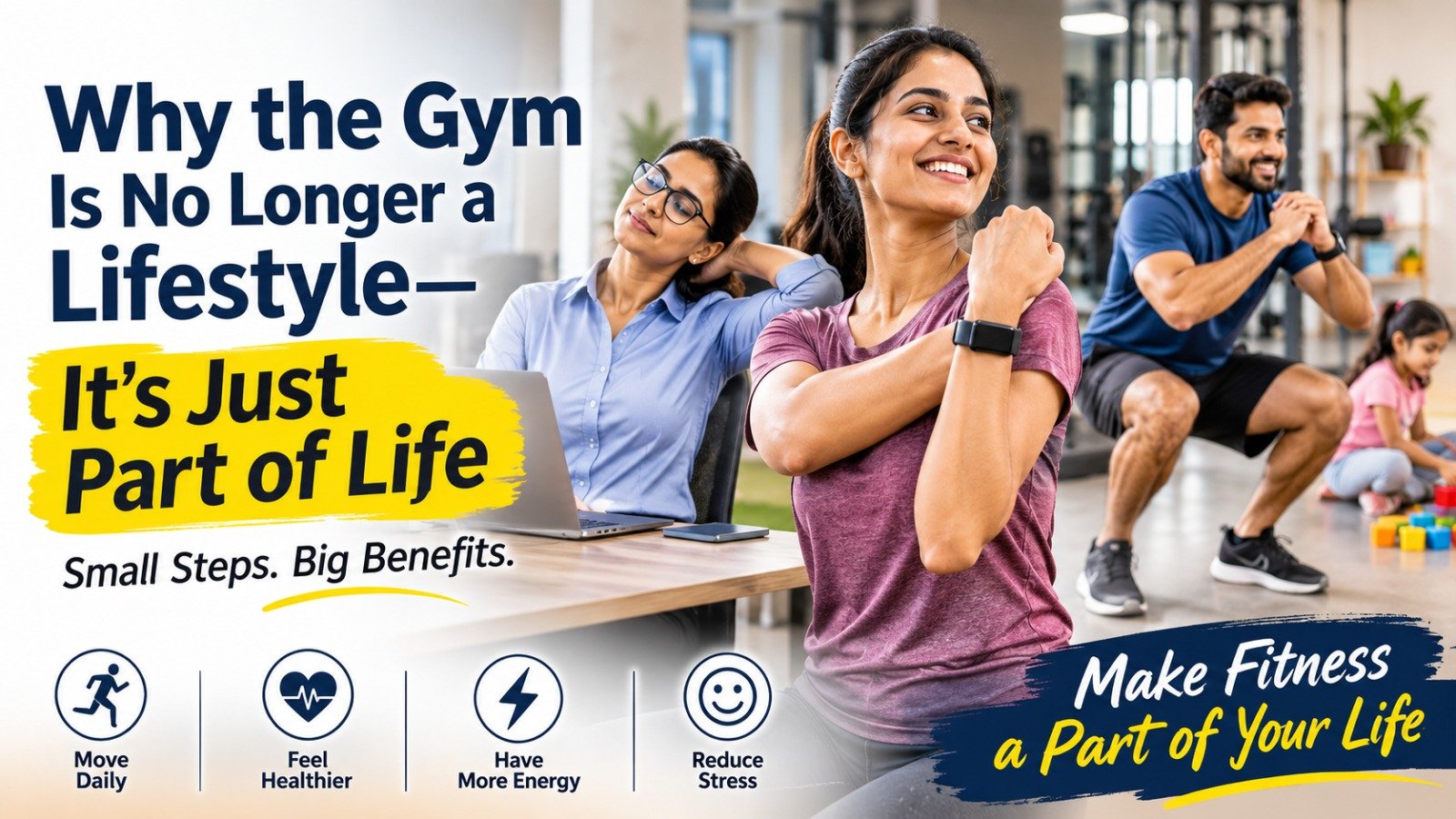
There was a time when “going to the gym” was treated like an exclusive hobby. It came with a specific aesthetic: sleek activewear, 90-minute workouts, pre-workout shakes, and endless progress photos. Fitness was framed as a complete “lifestyle”—something you either fully embraced or completely missed out on.
Then the world changed. Post-COVID, our collective understanding of health underwent a massive reset. Global health authorities like the World Health Organization emphasized that daily physical movement, respiratory strength, and functional stamina aren’t luxury flexes for fitness influencers; they are baseline necessities for everyone.
Today, the goal isn’t to turn your entire life into a fitness production. The real goal is far simpler: learning how to make exercise a daily habit that seamlessly fits into the life you already live.
The Modern Trap: Long Sitting, High Stress, and Heavy Guilt
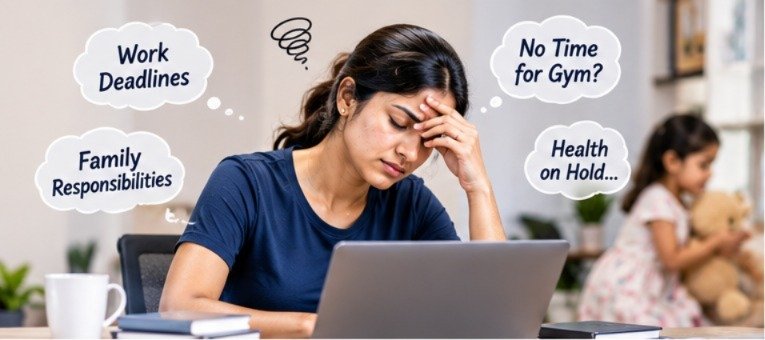
If you spend 8 to 10 hours a day sitting at a desk, you know the physical toll it takes. As medical experts at the Mayo Clinic point out, prolonged sitting poses serious risks to posture, cardiovascular health, and daily energy levels.
When you finish a long, mentally draining workday, the thought of driving through traffic to spend an hour at a crowded gym feels overwhelming. For many—especially women who juggle demanding careers, family responsibilities, and home management—rigid fitness expectations create a massive wall of guilt.
When fitness is sold as an all-or-nothing “lifestyle,” it forces you into a false choice:
- Option A: Devote 2 hours a day to the gym and neglect other priorities.
- Option B: Do nothing at all and feel guilty about “failing” your health goals.
Neither option is sustainable. The gym shouldn’t be an intense identity test—it’s just a tool to keep your body functional and resilient.
The Shift: Treat Movement Like Brushing Your Teeth
Think about dental hygiene. You don’t sign up for a “toothbrushing lifestyle.” You don’t need a surge of motivation to brush your teeth before bed, nor do you post about it on social media. You do it automatically because it is basic maintenance to prevent decay.
Exercise works the exact same way for your heart, spine, and mental health.
When you strip away the hype, fitness isn’t an extra activity you “add” to an already packed day. It is simply essential physical maintenance. Once you view movement through this lens, the pressure vanishes. You stop waiting for inspiration and start building low-friction systems that make action natural.
3 Practical Ways to Fold Movement into Real Life
Bridging the gap between knowing health matters and actually taking action comes down to lowering friction. Here is how you can make movement an effortless part of your daily rhythm:
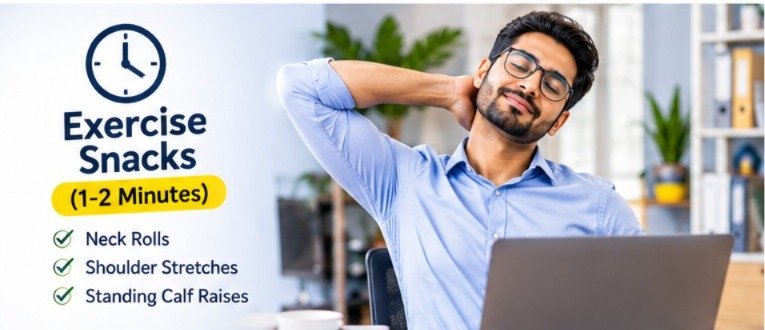
1. Break Up Desk Sitting with “Exercise Snacks”
Sitting continuously for hours stalls circulation and lowers your energy. Research highlighted by Harvard Health shows that even brief bouts of mobility dynamic stretches help preserve joint flexibility and circulation throughout the day.
- Desk Mobility: Spend 60 seconds doing standing calf raises or doorway chest stretches between meetings.
- Strength Breaks: Practicing basic chair squat variations right at your desk takes less than two minutes, fires up your glutes, and protects your lower back without requiring a change of clothes.
2. Anchor Exercises to Existing Routines (Habit Stacking)
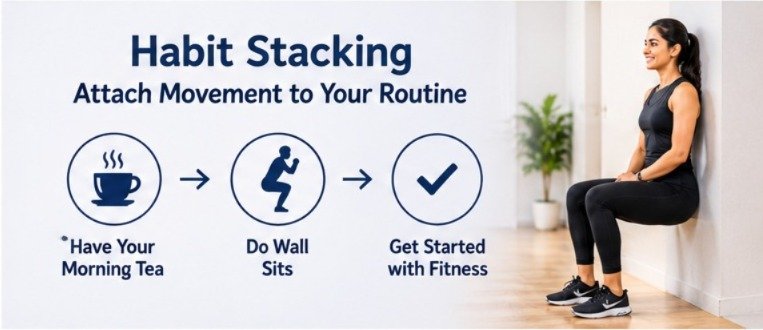
Instead of trying to find a fresh 60-minute block in your calendar, stack small movements onto non-negotiable daily anchors:
- Doing wall sits while waiting for your morning tea or coffee to brew.
- Taking phone calls on your feet while pacing around the room.
- Doing a 3-minute hip-opener stretch immediately after closing your laptop for the day.
By attaching movement to habits you already do without thinking, you naturally make exercise a daily habit that requires zero extra decision-making.
3. Embrace the “Always Something” Mindset
Perfectionism is the enemy of consistency. If a busy day makes a 30-minute workout impossible, don’t scrap movement entirely.
Doing 5 minutes of bodyweight squats or taking a 10-minute evening walk keeps the momentum alive. Five minutes is always infinitely better than zero. Celebrating these micro-wins removes guilt and reinforces your identity as an active person.
Movement Is Your Daily Energy Reset
We often delay exercise because we feel too tired after work. However, physiology shows us that sitting still deepens fatigue, while gentle movement actually generates energy.
A two-minute break to do chair squats or light stretches increases oxygen flow to your brain, releases endorphins, and clears mental fatigue. Movement isn’t something that drains your battery—it’s the charger.
Fitness Built for the Real World
Post-COVID health isn’t about crushing yourself in the gym to match someone else’s highlight reel. It’s about building a body that feels strong, pain-free, and energized every single day.
You don’t need a radical life overhaul or endless willpower. Start small today: pick one simple movement anchor—like a quick set of chair squats during your next break—and take the first step to make exercise a daily habit that simply belongs in your life.