

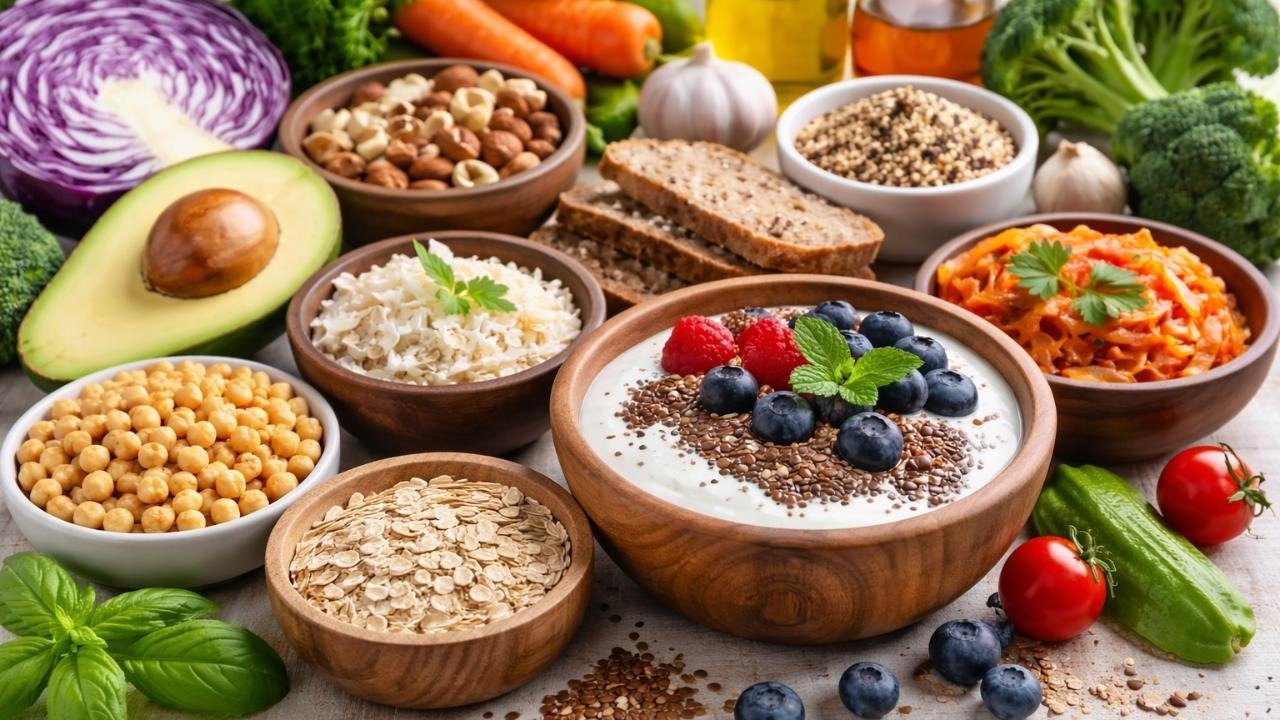
Your gut does more than digest food. The best foods for gut health can help nourish the beneficial microorganisms living in your digestive system, support regular bowel movements, and make it easier to build a balanced eating routine. From everyday curd and oats to lentils, fruits, and vegetables, you may already have several gut-friendly foods in your kitchen.
But eating healthy foods occasionally is not the whole story. Your gut benefits from variety, consistency, and the right balance of nutrients. You do not need expensive supplements or a complicated diet to get started. A few thoughtful changes to your everyday meals can help you build better eating habits over time.
1. What Makes a Food Good for Gut Health?
Your digestive tract contains a community of microorganisms, including bacteria, that make up your gut microbiome. These microorganisms help break down certain parts of food, interact with your immune system, and contribute to several processes involved in maintaining health.
Two important parts of a gut-friendly diet are fiber and beneficial microorganisms. Fiber is found in plant foods such as fruits, vegetables, legumes, whole grains, nuts, and seeds. Some types of fiber pass through the digestive system and provide nourishment for gut bacteria. Fermented foods, meanwhile, are made using microorganisms, although not every fermented product contains live microbes when you eat it.
This is why the best foods for gut health are not limited to one special ingredient. A varied diet that includes different plant foods, fiber-rich meals, and suitable fermented foods is a more practical starting point than relying on a single so-called superfood.
2. Seven Best Foods for Gut Health You Can Eat Regularly
1. Curd and Yogurt: An Easy Everyday Choice
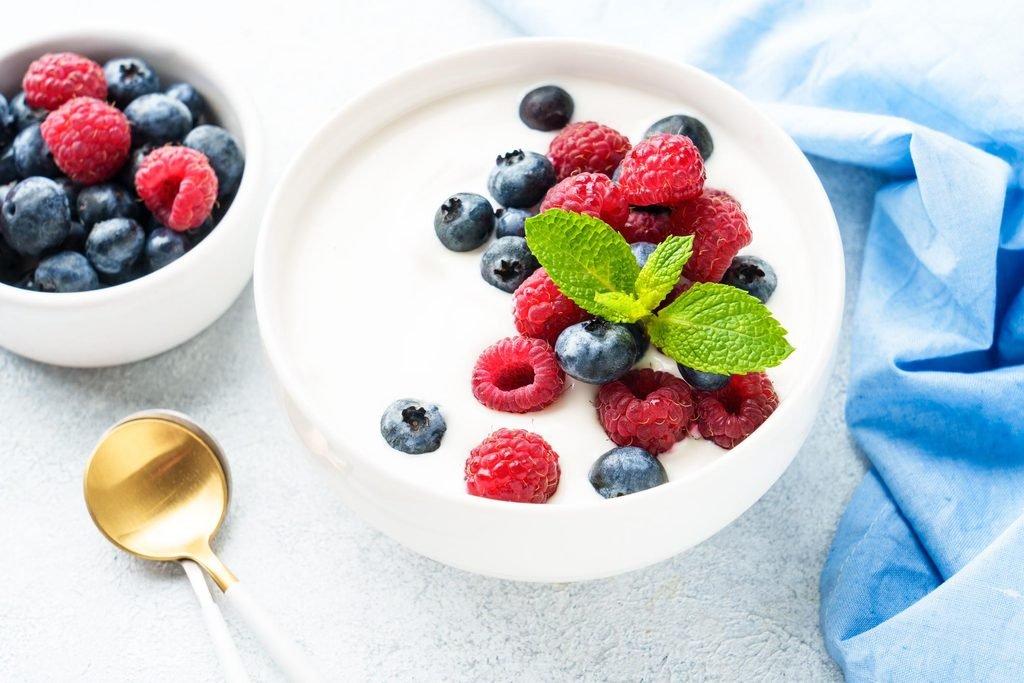
Curd is a familiar part of many Indian meals, and it can be an easy way to include fermented dairy in your diet. Yogurt made with live cultures can provide beneficial microorganisms, while also supplying nutrients such as protein and calcium. However, the specific microorganisms and their health effects vary between products.
Choose plain, unsweetened curd or yogurt when possible. Flavoured varieties can contain considerable added sugar, so check the label rather than assuming every yogurt product offers the same nutritional benefits.
You can eat curd with rice, serve it alongside a balanced lunch, or combine it with fruit and oats for breakfast. If you are lactose intolerant, try a suitable lactose-free option if tolerated, or choose another food that meets your nutritional needs.
2. Kefir: Another Fermented Food Worth Knowing About
Kefir is a fermented drink commonly made from milk. It contains a mixture of microorganisms that can differ from those found in ordinary yogurt. Some kefir products contain a diverse range of live cultures, making them an interesting option for people who want to include fermented foods in their diet.
You can drink plain kefir on its own, blend it into a smoothie, or use it as a base for a breakfast bowl. Choose products with live cultures and check the ingredient list for added sugar.
You do not have to drink kefir to maintain a healthy gut. If it is unfamiliar, expensive, or unavailable where you live, ordinary curd and a varied, fiber-rich diet are perfectly reasonable places to start.
3. Oats: A Simple Way to Add Fiber
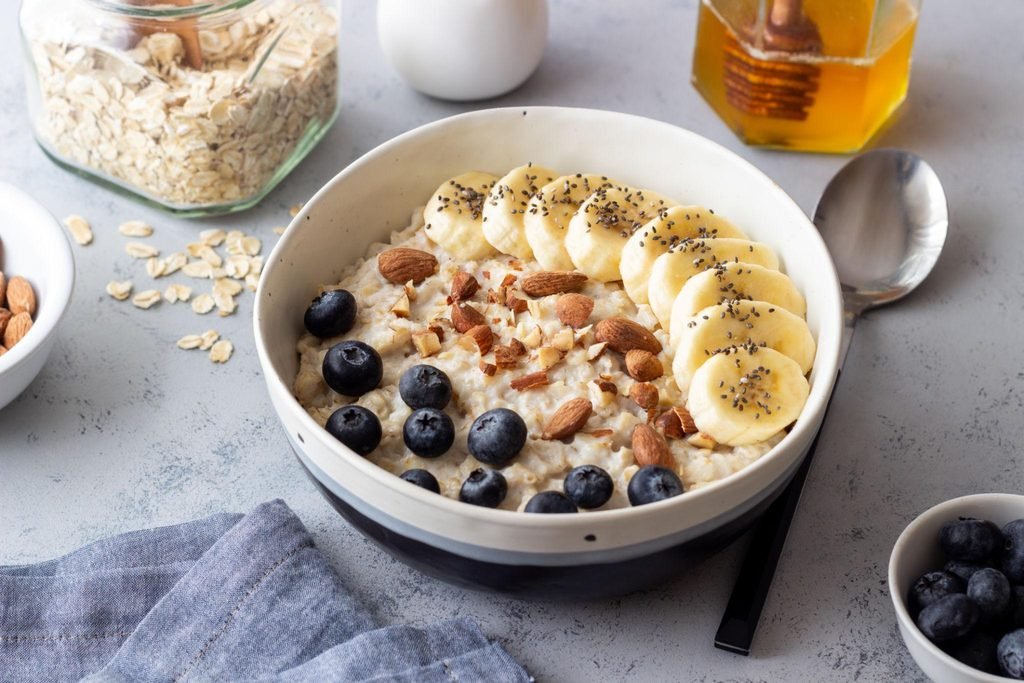
Oats are one of the easiest foods to include in a gut-friendly eating routine. They contain beta-glucan, a type of soluble fiber that forms a gel when mixed with water. Different types of dietary fiber have different effects, and some can be used by gut microorganisms.
A bowl of oatmeal can be a practical breakfast, but you do not have to eat oats plain. Add a banana, chopped apple, nuts, or seeds for extra variety. You can also prepare overnight oats with milk or a suitable yogurt.
If your current diet contains very little fiber, start with a manageable serving and increase it gradually. Eating a large amount of fiber suddenly may cause gas or bloating, especially if your digestive system is not used to it.
4. Beans, Chickpeas, and Lentils: Everyday Fiber Powerhouses
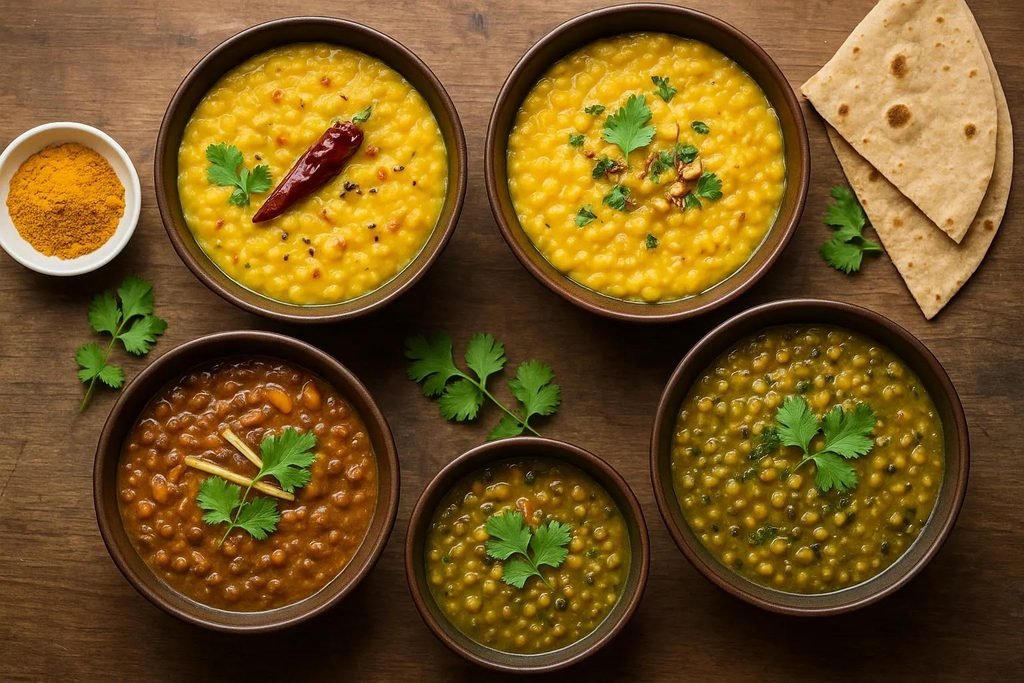
Dal, rajma, chana, and other legumes deserve a place in a gut-friendly diet. They provide fiber and plant-based protein, making them useful for people who want to support digestive health while eating balanced, satisfying meals.
The fiber in legumes can help nourish certain gut microorganisms. However, these foods can also cause gas in some people. That does not automatically mean they are unhealthy or that you must remove them from your diet.
Start with portions you tolerate comfortably. Soaking dried beans and chickpeas, discarding the soaking water, and cooking them thoroughly may help some people tolerate them better. You can also begin with a smaller serving of dal before gradually adding more variety.
5. Fruits and Vegetables: Give Your Gut More Variety
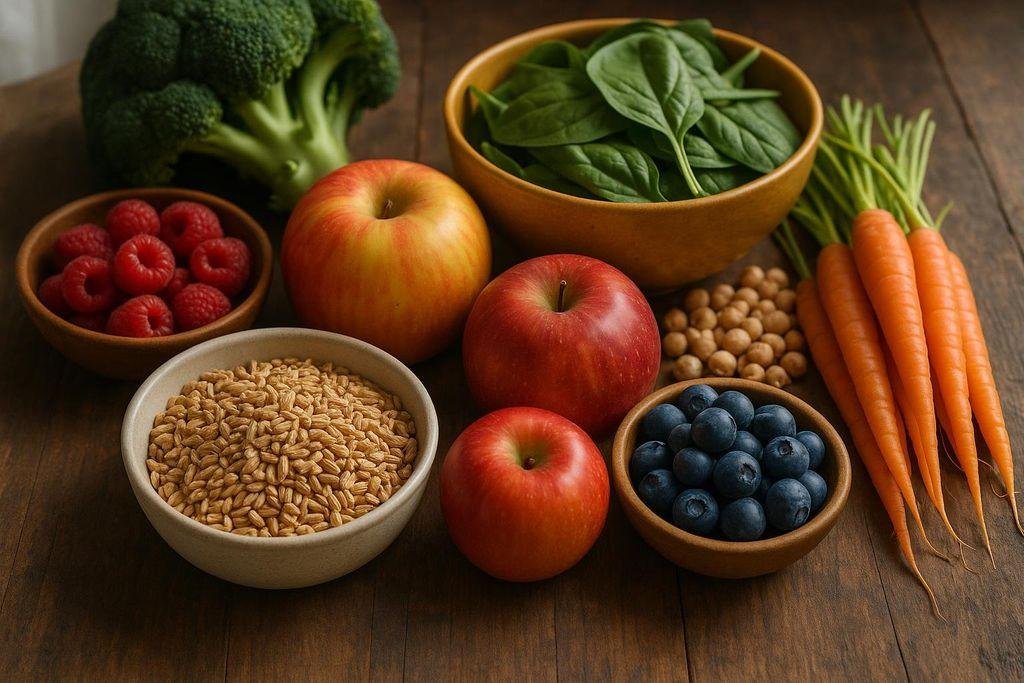
Apples, bananas, guavas, carrots, leafy greens, berries, and other fruits and vegetables supply different combinations of fiber, vitamins, minerals, and plant compounds. Eating a variety of these foods helps you avoid relying on only one source of fiber.
Different plants contain different types of fiber. That matters because gut microorganisms do not all use the same food sources in the same way. Eating different fruits and vegetables throughout the week is therefore a useful habit to build.
You do not need to buy expensive imported produce. Choose seasonal fruits and vegetables that fit your budget. Add a vegetable to lunch, eat a whole fruit as a snack, or include different vegetables in your evening meal. Small, repeatable changes are often easier to maintain than a complete diet overhaul.
6. Whole Grains: Make Your Everyday Meals More Varied
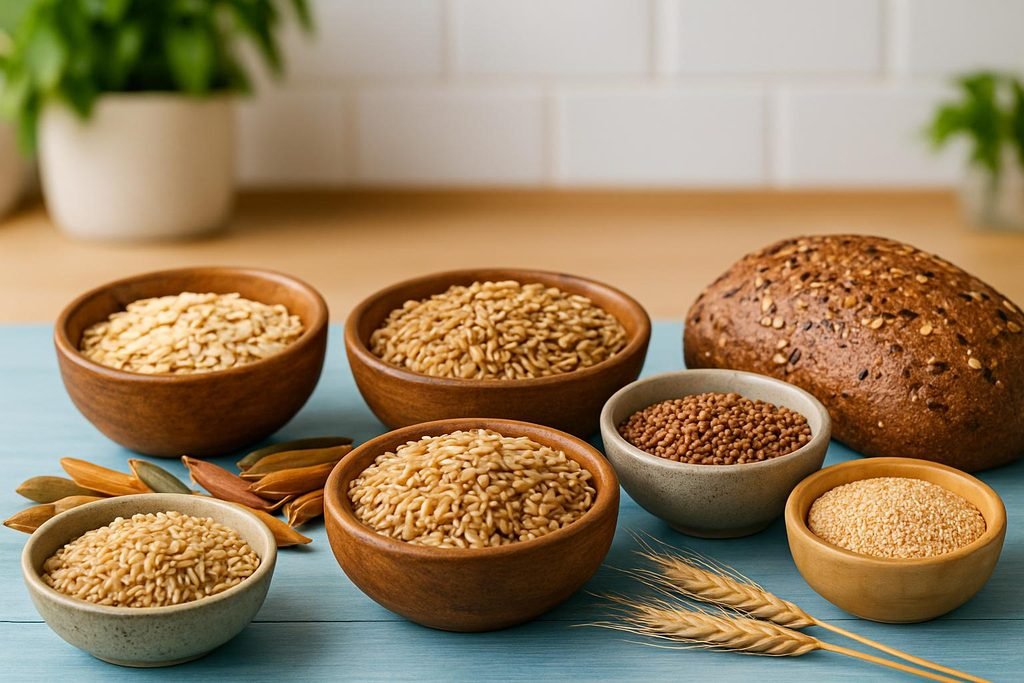
Whole grains provide fiber and other nutrients that may be reduced when grains are heavily refined. Depending on your preferences and availability, useful options include whole-wheat roti, oats, brown rice, barley, and other whole-grain foods.
You do not need to eliminate white rice or every refined grain to support gut health. Instead, consider adding more whole grains where they fit comfortably into your usual meals. For example, you might alternate between rice and other grains, choose whole-wheat roti, or include oats at breakfast.
The goal is to improve the overall variety and nutritional quality of your diet, not to label every familiar food as good or bad.
7. Nuts and Seeds: Small Additions That Count
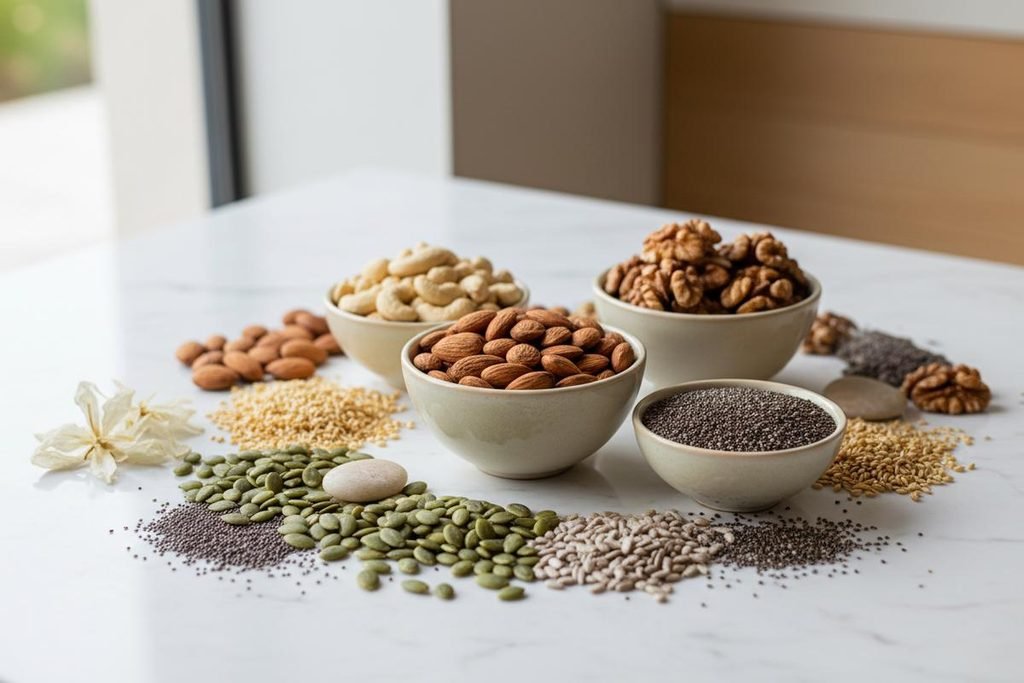
Almonds, walnuts, chia seeds, flaxseeds, and other nuts and seeds provide fiber and useful nutrients. They can help add variety to a diet that otherwise relies heavily on refined snacks or meals with few plant foods.
Try adding a small portion of nuts to breakfast, mixing seeds into oats, or sprinkling ground flaxseed over curd. You can also eat nuts as a snack instead of relying on highly processed options every day.
Portion size still matters because nuts and seeds are energy-dense. You do not need large quantities to make them part of a balanced diet. Choose options you enjoy, and account for any allergies or individual dietary restrictions.
3. How to Build a Gut-Friendly Daily Diet

Knowing which foods support gut health is useful, but knowing how to combine them makes the advice easier to follow. You do not need a separate meal plan for your gut. Start by improving the variety of foods you already eat.
For breakfast, you could choose oats with fruit and nuts, or plain curd with a suitable fruit. At lunch, include dal or beans, vegetables, and a grain that you enjoy. For a snack, try fruit or a small portion of nuts. At dinner, include vegetables and another source of fiber or protein that suits your needs.
You can adjust these ideas to your appetite, culture, budget, and nutritional requirements. The important thing is not to eat every food on this list every day. It is to create a routine that regularly includes different plant foods, suitable protein sources, and fermented foods if you tolerate them.
If managing hunger is also a challenge, see our guide on how to manage hunger while losing weight. Balanced meals and sustainable habits can make healthy eating easier to maintain.
4. Common Mistakes to Avoid When Improving Gut Health
Increasing Fiber Too Quickly
Switching suddenly from a low-fiber diet to large servings of beans, raw vegetables, oats, and seeds may leave you feeling bloated or uncomfortable. Increase fiber gradually and give your body time to adjust. Drinking enough water is also important, particularly as you increase your fiber intake.
Assuming Every Fermented Food Is a Probiotic
Fermentation does not guarantee that a finished food contains live microorganisms with demonstrated health benefits. Processing, heating, storage, and the particular product all matter. Choose products thoughtfully rather than assuming that every fermented food works in the same way.
Buying Supplements Before Improving Your Meals
Probiotic supplements are not necessary for everyone, and different products contain different microorganisms. Their effects depend on factors such as the specific strain and the intended use. Start with practical food choices unless a qualified healthcare professional recommends a supplement for your circumstances.
Expecting One Food to Fix Every Digestive Problem
Curd, oats, or any other single food cannot guarantee relief from digestive symptoms. Persistent bloating, abdominal pain, diarrhea, constipation, blood in the stool, or unexplained weight loss deserves appropriate medical attention rather than relying only on dietary changes.
5. How Long Does It Take to Improve Gut Health?
There is no universal timeline for changes in gut health. Your response depends on your existing diet, the foods you introduce, your overall health, medications, and individual digestive tolerance.
Some people notice changes in bowel habits after adjusting their fiber intake, while changes in the gut microbiome are more complex and cannot be judged by how you feel on a single day. Feeling less bloated does not automatically prove that your microbiome has become healthier, either.
Focus on habits you can sustain for weeks and months. Eat a wider range of plant foods, include fiber regularly, drink enough water, and pay attention to which foods you tolerate well. If a particular food repeatedly triggers symptoms, adjust your portions and seek professional advice when needed.
6. The Bottom Line: Variety Matters More Than One “Perfect” Food
The best foods for gut health are not necessarily the most expensive or fashionable ones. Everyday choices such as curd, oats, lentils, fruits, vegetables, whole grains, nuts, and seeds can help you build a varied diet that provides fiber and other important nutrients. Suitable fermented foods can also contribute, although their effects depend on the product and the microorganisms they contain.
You do not need to change everything overnight. Add a fruit to breakfast, include a serving of dal at lunch, or try oats a few times a week. Increase fiber gradually, notice how your body responds, and keep your overall diet varied.
A healthier gut is not about finding one magical food. It is about building everyday habits that give your body a wider range of nourishing foods, consistently.
Health note: This article provides general nutrition information, not a diagnosis or treatment plan. People with digestive conditions, significant food intolerances, or medically prescribed diets may need individual guidance from a qualified healthcare professional.