

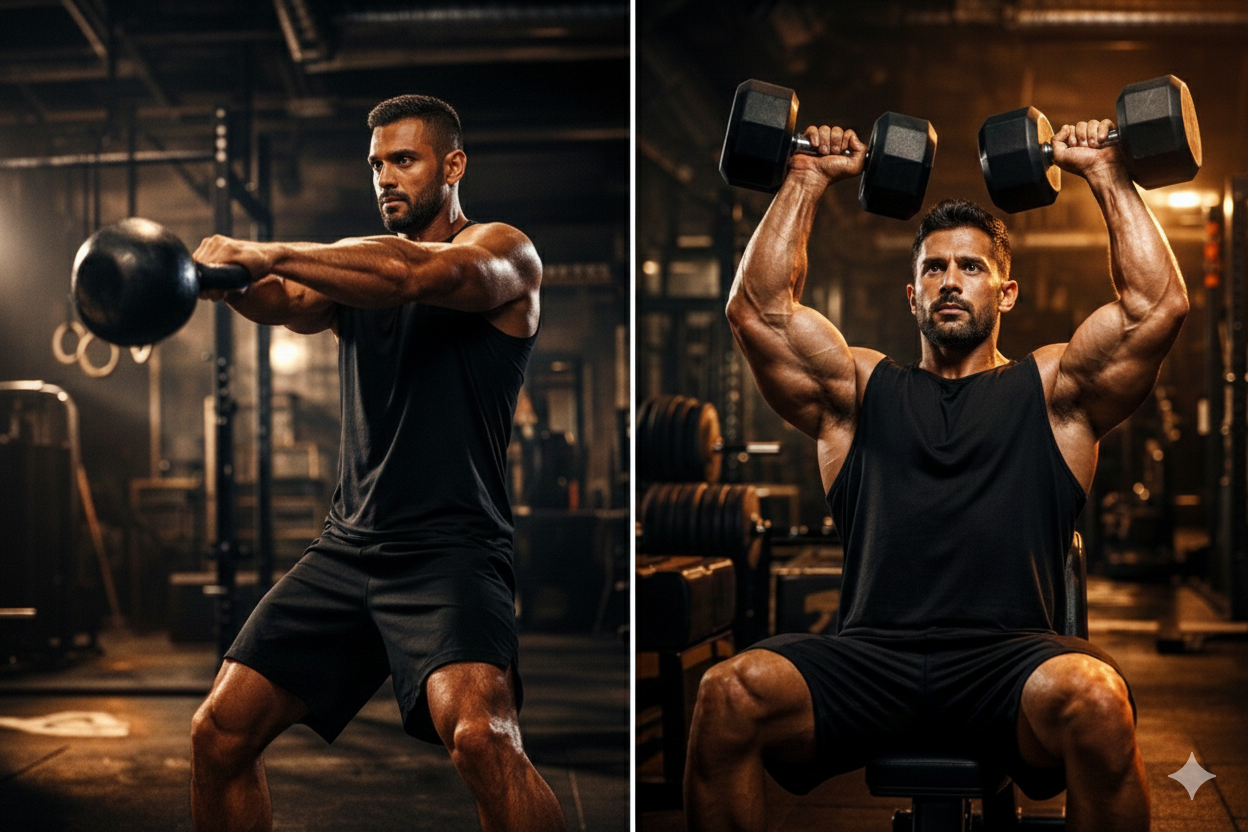
Kettlebells vs Dumbbells is one of the most common debates in the fitness world. Whether you are a beginner starting your first workout or someone who has been training for years, you have probably asked yourself this question: Which one should I use? Which one gives better results? And most importantly, which one matches my goal — strength, fat loss, or muscle growth?
Choosing a cardio machine is usually simple. You walk on a treadmill or cycle on a bike. But when it comes to strength training, things become slightly confusing. Both kettlebells and dumbbells are popular free weights. Both build muscle. Both improve strength. Both help in burning fat. However, their design, movement style, and training impact are different.
Understanding these differences clearly will help you make a smarter decision. Instead of randomly picking equipment, you will train with purpose. In this detailed guide, we will compare kettlebells vs dumbbells in terms of strength training, fat loss, muscle growth, benefits, and practical usage — so that by the end, you know exactly what is right for you.
Buy From Amazon
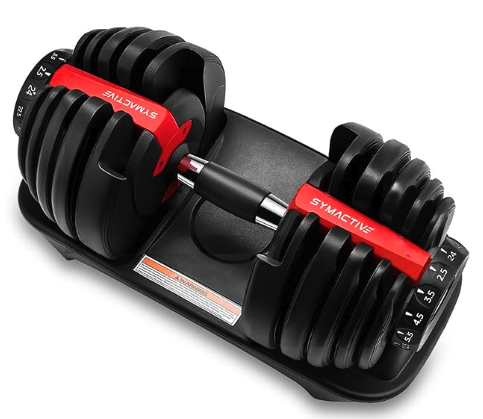
Kettlebells vs Dumbbells: What’s the Real Difference?
Before comparing results, we must understand the basic difference in structure and function.
Design and Weight Distribution
The biggest difference between kettlebells and dumbbells is how the weight is distributed.
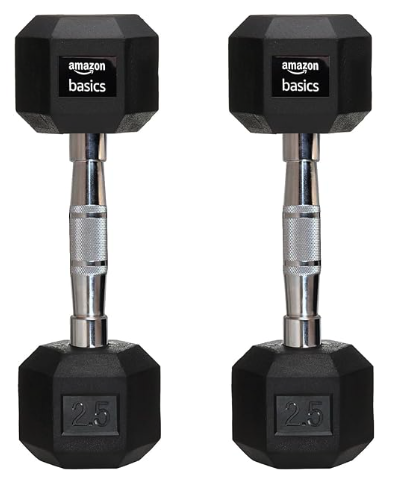
A dumbbell has equal weight on both sides of a straight handle. The weight is evenly balanced around your hand. This makes it stable and controlled during movement.
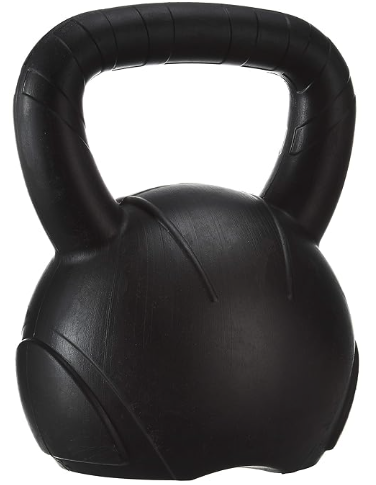
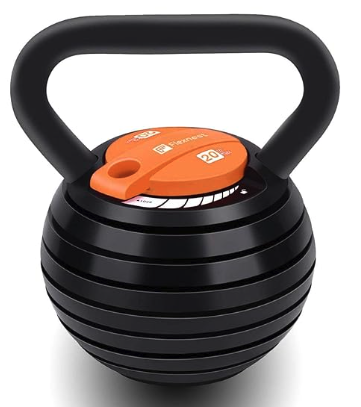
A kettlebell, on the other hand, has a round ball-shaped body with a handle on top. The weight sits below the handle. This creates an “off-center” load. Because of this, the kettlebell shifts slightly during movement, forcing your muscles to stabilize more.
This difference may look small, but it changes how your body responds during exercise.
Stability vs Dynamic Movement
Dumbbells are excellent for stable and controlled movements. When you perform a dumbbell curl, shoulder press, or chest press, the movement stays smooth and predictable. This makes dumbbells perfect for beginners and for exercises targeting specific muscles.
Kettlebells are more dynamic. Exercises like swings, cleans, and snatches involve momentum and full-body coordination. The shifting weight forces your core and stabilizing muscles to work harder.
In simple words:
- Dumbbells = Control and isolation
- Kettlebells = Movement and power
Both are effective. It depends on your goal.
Kettlebells vs Dumbbells for Strength Training
Now let’s talk about building real strength.
Strength training means improving your ability to lift heavier weight over time. It is not just about muscle size. It is about power and force production.
Which Builds Maximum Strength Faster?
If your main goal is maximum strength development, dumbbells offer more controlled progressive overload. Because they are stable, you can increase weight gradually and safely.
For example:
- Dumbbell bench press
- Dumbbell rows
- Dumbbell shoulder press
These exercises allow you to focus on pure strength.
Kettlebells build strength differently. They improve functional strength — meaning strength that helps in real-life movements. Kettlebell swings, goblet squats, and Turkish get-ups build hip power, core strength, and coordination.
So:
- Dumbbells are excellent for traditional strength building.
- Kettlebells are excellent for functional strength and explosive power.
Progressive Overload and Control
Progressive overload means slowly increasing weight to force muscles to grow stronger.
Dumbbells allow very small weight increments. You can move from 5 kg to 7.5 kg to 10 kg easily. This makes progression structured and measurable.
Kettlebells usually come in larger jumps (for example 8 kg to 12 kg to 16 kg). This can sometimes make progression slightly harder for beginners.
That is why many trainers prefer dumbbells for pure strength progression.
However, kettlebells improve grip strength and stability faster because of their unique load position.
Both tools build strength — but in slightly different ways.
Kettlebells vs Dumbbells for Fat Loss
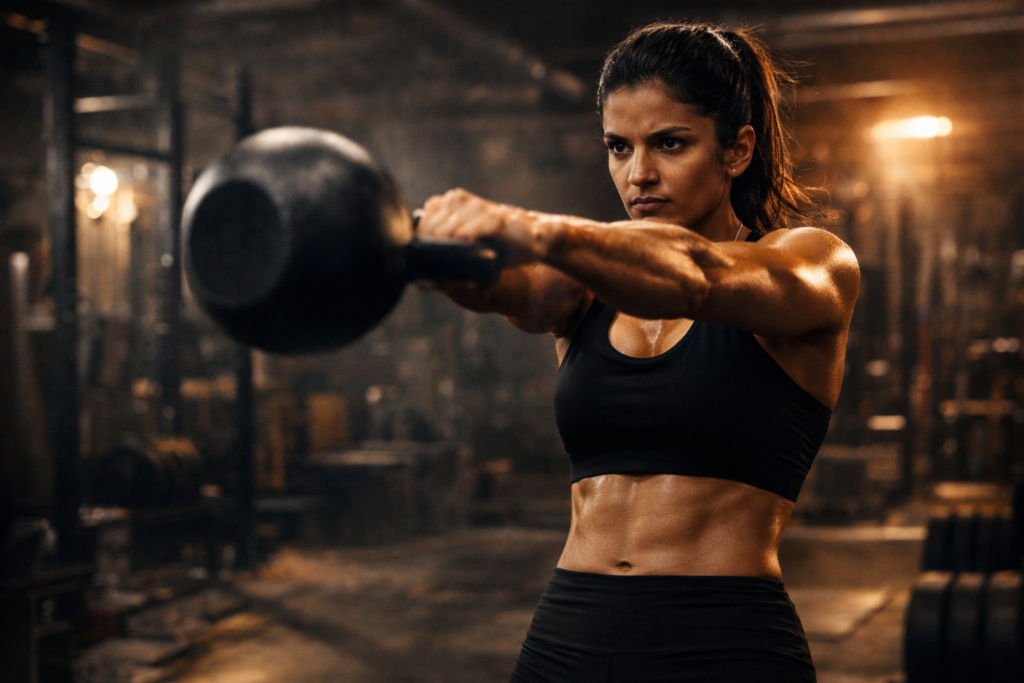
Fat loss depends mainly on calorie burn and overall activity level. But the type of exercise you perform can increase calorie expenditure.
Calorie Burn and Metabolic Impact
Kettlebell workouts are usually more dynamic and involve full-body movement. Exercises like swings and snatches increase heart rate quickly. This means higher calorie burn in a shorter time.
Kettlebell circuits combine strength and cardio. This makes them powerful tools for fat loss.
Dumbbell workouts can also burn fat, especially when done in circuits. However, many dumbbell exercises are slower and more isolated.
So in terms of fat loss:
- Kettlebells generally burn more calories per session.
- Dumbbells burn calories depending on workout intensity.
Conditioning and Endurance Benefits
Kettlebell training improves conditioning (your body’s ability to sustain effort). Because movements are explosive and continuous, your cardiovascular system works harder.
Dumbbells can improve endurance too, but usually through higher repetitions and lighter weights.
If your main goal is to lose fat quickly and improve conditioning, kettlebells may have a slight advantage.
Kettlebells vs Dumbbells for Muscle Growth
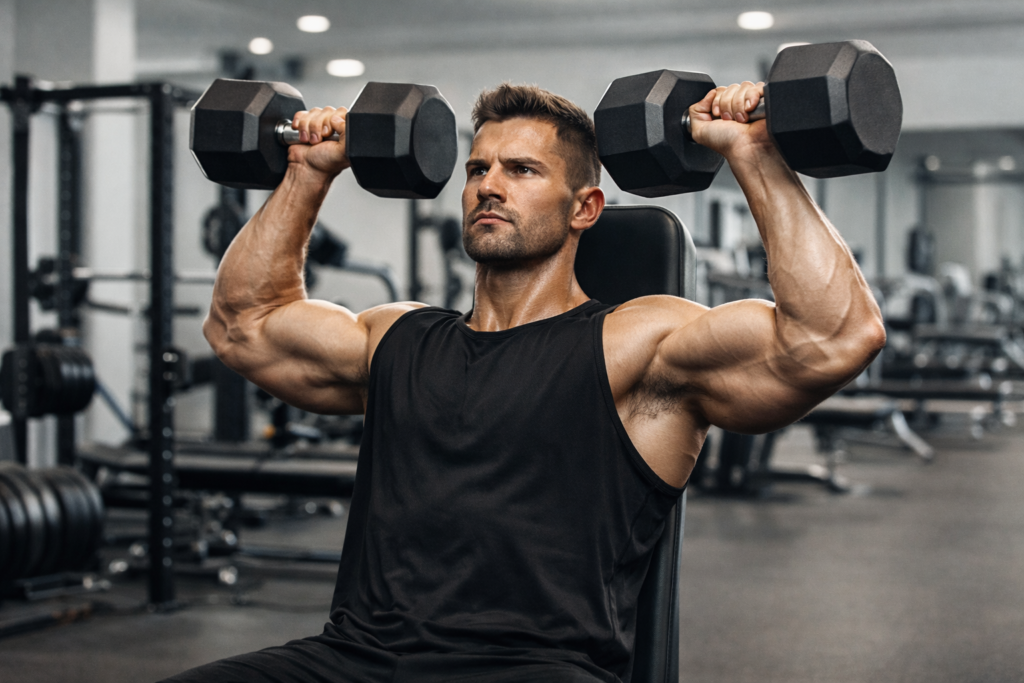
Muscle growth (hypertrophy) happens when muscles experience tension, stress, and proper recovery.
Muscle Isolation vs Full-Body Activation
Dumbbells are excellent for isolating muscles. You can specifically target:
- Biceps
- Triceps
- Chest
- Shoulders
- Back
Isolation helps in shaping muscles and correcting imbalances.
Kettlebells focus more on compound and full-body movements. Instead of isolating one muscle, they activate multiple muscle groups together.
If your goal is aesthetic muscle building (bodybuilding style), dumbbells are more effective.
If your goal is athletic muscle development, kettlebells are powerful.
Time Under Tension and Hypertrophy
Time under tension means how long your muscle stays working during a set.
Dumbbells allow slow, controlled repetitions. This increases muscle tension and supports hypertrophy.
Kettlebell movements are often faster and explosive. They build power more than slow muscle tension.
For muscle size:
- Dumbbells have a small advantage.
- Kettlebells still build lean muscle effectively.
Benefits of Training with Kettlebells
Kettlebells are powerful tools, especially if you enjoy dynamic workouts and athletic-style training. Their unique shape makes your body work differently compared to traditional weights.
First, kettlebells are excellent for functional strength. Functional strength means strength that helps you in daily life activities like lifting objects, bending, rotating, or carrying loads. Exercises like kettlebell swings and Turkish get-ups train your body in natural movement patterns.
Second, kettlebells strongly activate your core muscles. Because the weight is positioned below the handle and shifts during movement, your core must constantly stabilize your body. Even during a simple kettlebell squat, your abdominal muscles work harder compared to a normal squat.
Third, kettlebells improve explosive power. Movements like swings and cleans train your hips to generate force quickly. This is especially helpful for athletes, runners, and sports players.
Another big benefit is time efficiency. With kettlebells, you can combine strength and cardio in one workout. A 20-minute kettlebell session can feel intense and effective.
However, kettlebells require proper technique. Because many movements involve momentum, incorrect form can increase injury risk. So beginners should learn the basics first.
Benefits of Training with Dumbbells
Dumbbells are one of the most versatile and beginner-friendly strength tools available.
The biggest advantage of dumbbells is control and stability. Because the weight is evenly balanced, it is easier to perform slow and controlled movements. This reduces the risk of losing balance and helps beginners feel confident.
Dumbbells are also perfect for muscle isolation. If you want to grow your biceps, shoulders, chest, or triceps, dumbbells allow precise targeting. Bodybuilders often prefer dumbbells because they allow deep muscle engagement.
Another important benefit is balanced muscle development. Since you hold a separate dumbbell in each hand, both sides of your body must work equally. This helps correct muscle imbalances and improves symmetry.
Dumbbells also allow gradual progression. You can increase weight in small steps, making them ideal for long-term strength programs.
In simple words, dumbbells are excellent for building foundational strength, improving muscle size, and ensuring safe progression.
Which One Should You Choose Based on Your Goal?
Now comes the most important question in the kettlebells vs dumbbells debate — which one should you actually choose?
The answer depends completely on your goal.
If your goal is maximum muscle growth and bodybuilding-style training, dumbbells are slightly better. They allow controlled reps, isolation exercises, and steady weight progression.
If your goal is fat loss and conditioning, kettlebells can be more effective. Their dynamic nature increases heart rate and burns more calories in less time.
If your goal is functional strength and athletic performance, kettlebells have an advantage because they train movement patterns and explosive power.
If you are a beginner, dumbbells may feel safer and easier to control at first.
If you enjoy fast-paced, energetic workouts, kettlebells might keep you more engaged and motivated.
There is no universal winner. The best tool is the one that matches your goal and keeps you consistent.
Can You Combine Kettlebells and Dumbbells in One Workout?
Yes — and this is actually the smartest approach.
Many professional trainers recommend combining both tools. You do not need to choose one forever. Instead, use each for its strengths.
For example:
- Use dumbbells for bench press, rows, curls, and shoulder presses.
- Use kettlebells for swings, goblet squats, and conditioning circuits.
This balanced approach gives you the best of both worlds. You build strength, muscle, coordination, and endurance together.
Combining kettlebells and dumbbells also prevents boredom. When workouts stay interesting, you are more likely to stay consistent. And consistency is the real secret to results.
Final Verdict: Kettlebells vs Dumbbells
So, after comparing kettlebells vs dumbbells for strength, fat loss, and muscle growth, what is the final conclusion?
Both are powerful training tools. Both build strength. Both help burn fat. Both support muscle development.
The difference lies in how they train your body.
Dumbbells offer stability, control, and focused muscle development. They are ideal for structured strength training and hypertrophy.
Kettlebells offer movement, power, and conditioning. They are excellent for functional strength and dynamic workouts.
Instead of asking which one is better, ask yourself:
What is my goal?
What type of training do I enjoy?
What keeps me consistent?
Because at the end of the day, the best equipment is the one you use regularly.
If possible, include both in your routine. Train smart. Progress gradually. Focus on proper form. And most importantly, stay consistent.
That is how real results happen.